

EVENTS
Winter Solstice Celebration
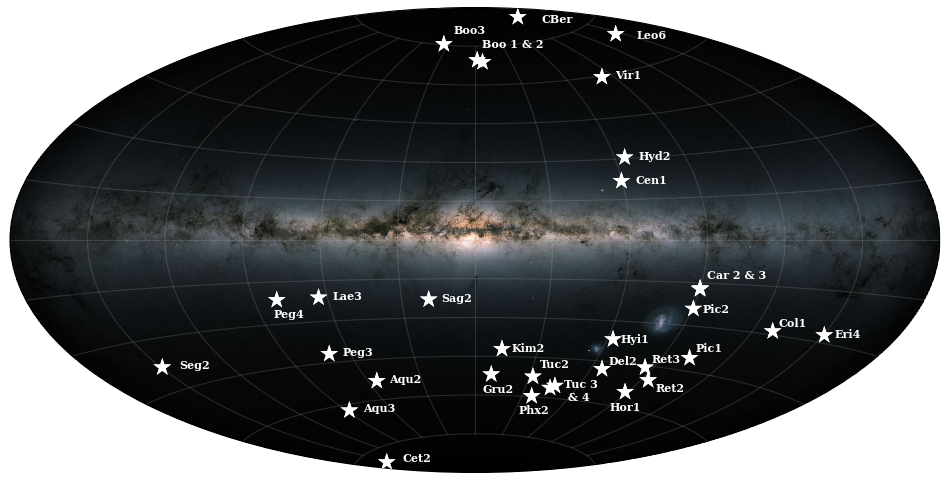
This past summer, Lauren and Riley were both working under the direction of Dr. Kim Venn as part of the Near Field Cosmology group. Their project involved studying the spectra of stars taken with the GHOST spectrograph at Gemini South, which is the instrument being used to study 46 Milky Way satellites in the GHOULS (GHOST Ultra-faint Legacy Survey), studying the faintest satellites of the Milky Way to determine their dark matter contents and chemical evolution.
History of science and modern discovery
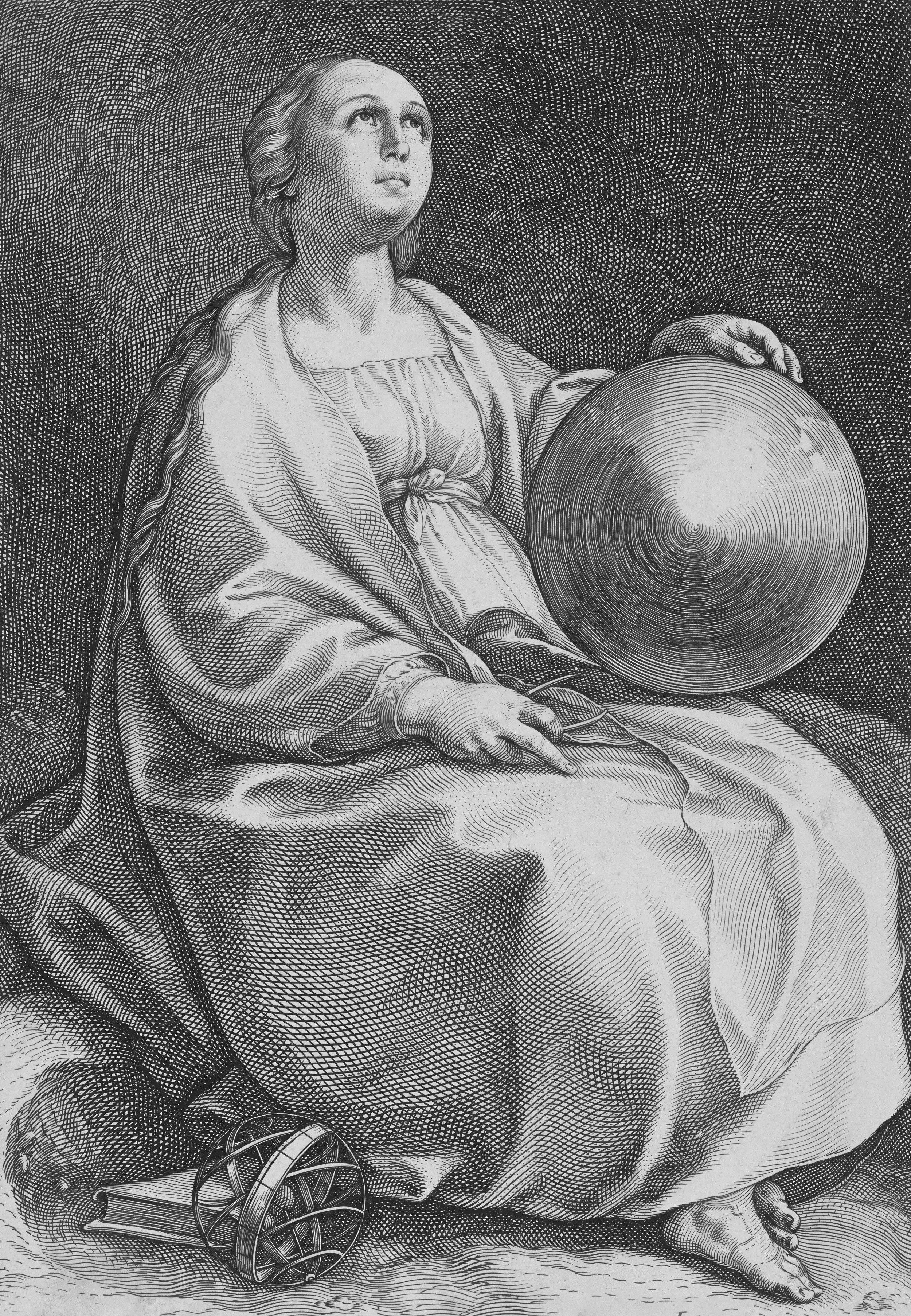
Why is the history of science, along with the technology that influenced it, so vital to modern discovery? In this presentation, I examine how understanding the past enables us to advance science, especially in astronomy and astrophysics.
In this presentation we will investigate the question “why is the history of science and the historical technology used essential for the progression of modern science?”

Star Party
Star Party
Tickets will be available Monday at 5pm on this page 12 days prior to the event.
Star Party
Star Party
Tickets will be available Monday at 5pm on this page 12 days prior to the event.

Think Quantum!
For 100 years, quantum mechanics has been reshaping our understanding of reality—revealing a world where particles can exist in two states at once and influence each other instantly across space. Let’s unravel how quantum weirdness is driving the new era of quantum computing and changing the future of science and technology as we know it.

Dinosaurs to Dust
Dinosaurs to Dust
A Meteorite Induced Mass Extinction
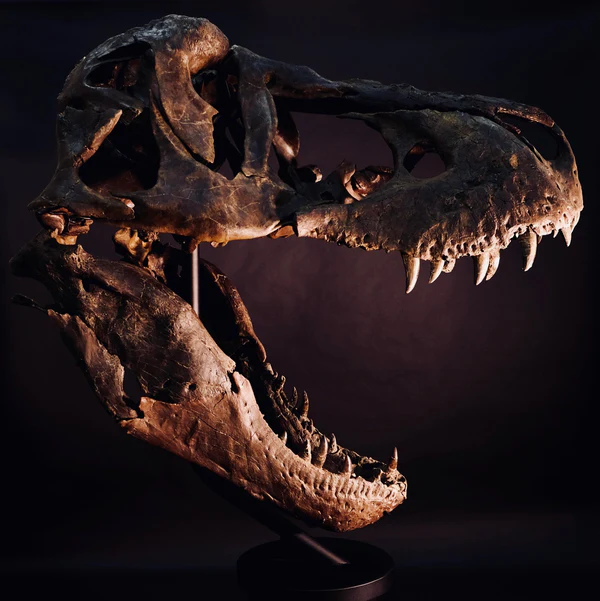
Bad days have a habit of getting worse before they get better, as do mass extinction events! Unpack the before, during and after of the K-T extinction event that took all but the non-avian dinosaurs off planet earth, leaving the way clear for mammals to have their shot.
With Kay Lilico, DinoLab
Kay Lillico is a science communicator at the fossil preparation lab and museum, DinoLab Inc. Kay has a degree in Biology from the University of Victoria, and spends her days inviting guests to touch, hold and do at DinoLab Inc, providing a hands-on fossil experience like no other
Tickets will be available Monday at 5pm on this page 12 days prior to the event.
Northern Star - Special Edition
Northern Star - Special Edition
with Nick Versteeg
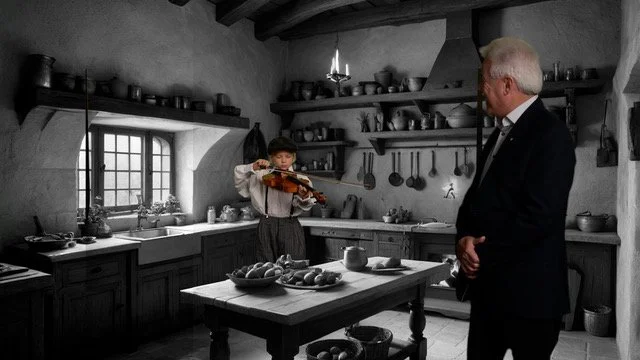
Young Jack Plaskett teaches himself the violin on his childhood home on an Ontario farm
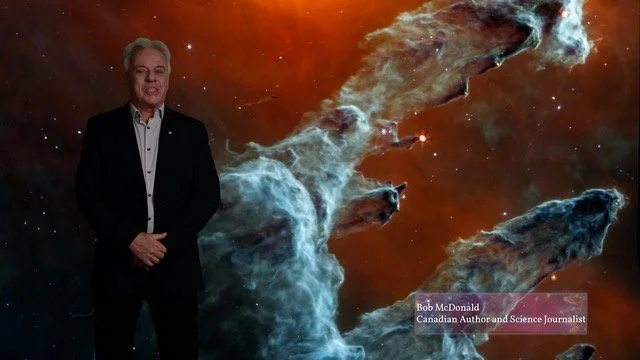
Director Nick Versteeg presents a special edition of Northern Star, a documentary of the founding of the Dominion Astrophysical Observatory, the life of its founder and first director John Stanley Plaskett, and the legacy of the 108 year old observatory that you see across the parking lot here.
Sponsored by CHEK-TV, the Canadian Media Fund, the University of Toronto, DV Productions. The Friends of the DAO organization has been involved in this project from the beginning
This special edition runs 1 hr 5 min
Hosted By Bob McDonald (CBC Quirks and Quarks)
starring Roger Carr as John Stanley Plaskett
Programme Schedule
Numbers in parenthesis correspond to location on map.
event start times
7:30pm Dome Tour
7:30pm Children's Program
8:00pm Children's Dome Tour
8:00pm Northern Star - Special Edition - first screening
9:00pm Dome Tour and after dark Live Observing with the Plaskett Telescope (weather permitting)
9:15pm Northern Star - Special Edition - second screening
10:00pm Dome Tour and Live Observing with the Plaskett Telescope (weather permitting)
All evening
Exhibits
Sidewalk Astronomers
Children’s crafts (until 9:30)
Ask an Astronomer
Unhosted Planetarium shows (limited capacity)
RASC Welcome Table
Gift Shop
STAR PARTY - The Modern Age of Astronomy: Five Incredible Images from this Summer
Star Party
The Modern Age of Astronomy: Five Incredible Images from this Summer
Presentation by Dr JAMES DI FRANCESCo (director, Dominion Astrophysical Observatory
With numerous astronomical observatories around the world and in space, humankind is now making great strides in understanding the universe. In my presentation, I will focus on about five (or so) images that were released just this summer alone that together illustrate the incredible scope and breadth of modern astrophysics. These images will include the spectacular very first ones released by the new ultrawide-field Vera C. Rubin Observatory in Chile of galaxies, stars, and asteroids, amazing shots from the Atacama Large Millimetre Array and Very Large Telescope facilities also in Chile of protostars that appear to be forming planets, stunning new images by the James Webb Space Telescope of a nearby region in our Galaxy where stars are forming, and thrilling images from the Gemini South observatory of the new interstellar comet 3I/ATLAS. That said, astronomy is a very dynamic field of research with many news releases occurring each week. Hence, I reserve the right to substitute one of the above images and/or include a sixth image should a super-cool one be released between the writing of this abstract and the actual presentation.
Dr. James Di Francesco obtained his Ph.D. in Astronomy at the University of Texas at Austin in 1997 based on research into the circumstellar environments of young stellar objects under the supervision of Prof. Neal Evans II. He spent three years (1997-1999) at the Harvard-Smithsonian Centre for Astrophysics in Cambridge, MA and three years (1999-2000 at the University of California, Berkeley, expanding his research. In 2002, James returned to Canada to join the Millimetre Astronomy Group at the National Research Council’s Herzberg Astronomy and Astrophysics Research Centre (HAA) in Victoria, BC, continuing his research into the internal structure of nearby star-forming molecular clouds and developing the Canadian contributions to the international Atacama Large Millimetre Array observatory. In 2018, he became the Director, Optical Astronomy at HAA and Director of the Dominion Astrophysical Observatory.
Tickets will be available Monday at 5pm on this page 12 days prior to the event.

Star Party
Star Party
The McKellar Telescope: Discovering Worlds Beyond our Sun
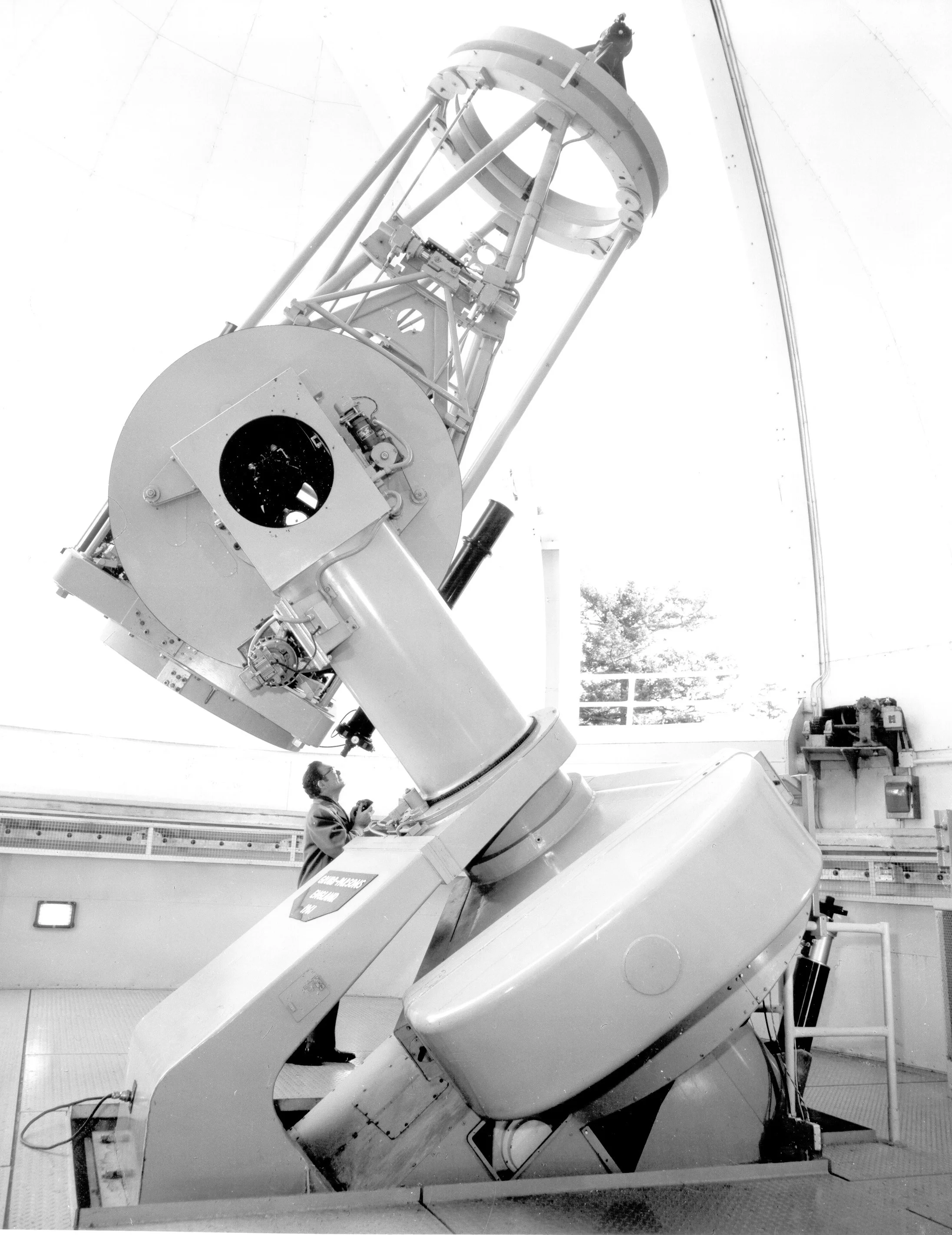
The 1.8-meter Plaskett telescope isn’t the only telescope on site with a notable namesake, interesting history, and exciting scientific instruments. Located just across the road from the Centre of the Universe is the 1.2-meter telescope and McKellar spectrograph. This talk touches on Andrew McKellar’s discoveries, his design of the telescope’s instrumentation, and the role spectroscopy plays in past and present astronomical research.
Allen Keefe is a Physics and Astronomy student at the University of Victoria. Growing up with a broad curiosity for science, Allen discovered a passion for astronomy while taking an aerospace course at the Museum of Flight in Seattle, Washington.
Tickets will be available Monday at 5pm on this page 12 days prior to the event.

Star Party
Star Party
Don’t Fall In: (A Mostly) Safe Guide to Black Holes

SUMMARY
Have you ever wondered what would actually happen if you fell into a black hole? In this talk, astronomer and science educator Ruhee Janmohamed takes you on a journey to the strangest and most mysterious corners of the universe. Together, we’ll travel closer and closer to a black hole built from science and imagination, watching the universe shift around us as we go. You’ll learn about the different kinds of black holes, both observed and theoretical, and what unfolds as you approach their invisible edge. Time slows. Space stretches. The laws of physics begin to unravel. From stellar remnants to supermassive giants, we’ll explore how black holes warp reality itself. Whether you’re a space enthusiast or simply curious about the unknown, this is a voyage into darkness, wonder, and the edges of what we know.
Ruhee Janmohamed is an astronomer, researcher, and science educator based in Victoria, BC. She holds a degree in Physics and Astronomy from the University of Victoria, where she contributed to research on exoplanets and protostellar outflows. Ruhee has been involved in science communication and outreach since 2017, including running public programs at UVic’s 32-inch DFM telescope. She currently works as the Education Leadership Coordinator at the Centre of the Universe, where she creates astronomy programming for learners of all ages. Her passion lies in connecting people to the cosmos through curiosity, wonder, and inclusive science storytelling.
Tickets will be available Monday at 5pm on this page 12 days prior to the event.

the Boring Side of Astronomy
Stephen Gwyn, a leader of the Canadian effort to archive and make use of space data, will explain why wide-field imaging surveys like Euclid and the Legacy Survey of Space and Time, which seem really dull (I mean really all you see is bunch of dots on a black background, not like those cool pictures you get from Hubble and James Webb) are actually really interesting.

Photographic Legacy of the DAO
The Dominion Astrophysical Observatory (DAO) is fortunate to have a treasure trove of historic photographic material. The DAO has approximately 150 photographs of the site and construction of the telescope between 1914 and 1918. Most of these are on 20cm x 25cm glass photographic plates.
Vera Rubin Observatory
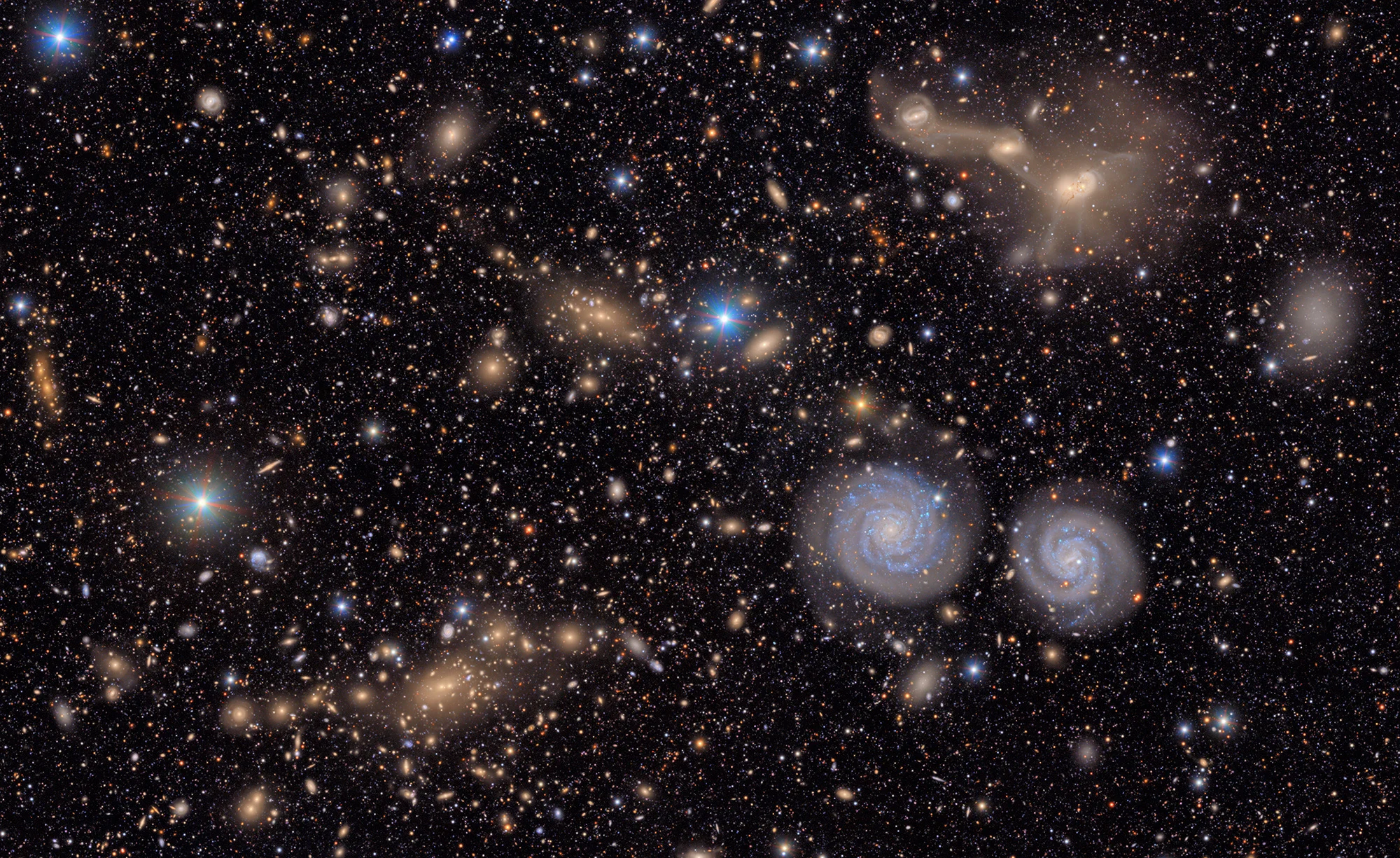
The Vera Rubin Observatory represents a transformative step in ground-based astronomy, designed to conduct the Legacy Survey of Space and Time (LSST). This presentation explores the telescope’s groundbreaking design—including its 3.2-gigapixel camera and rapid, wide-field imaging capabilities—and the novel survey strategies it will employ.
The Language of the stars
Nathan Hellner-Mestelman takes us right back to the Big Bang, then hurls us through cosmic history as we discover how to swirl up galaxies, solar systems, and eventually life. In this quirky medley of science and speculation, we'll cover every common thread weaving across our cosmos. Ever wondered what atoms, cells, people, refrigerators, the universe, and beer have in common? Come along for a maddening adventure of science in The Language of the Stars!

A Birthday Celebration
SURPRISE!
IT’s OUR BIRTHDAY!
Join us for a special 10th Birthday celebration for Friends of the Dominion Astrophysical Observatory. Come visit during the daytime too!
We’ll have the usual Dome Tours and Planetarium Shows. But we’ll also have cupcakes, face painting, crafts and more.
Daytime admission 1-6pm is free.
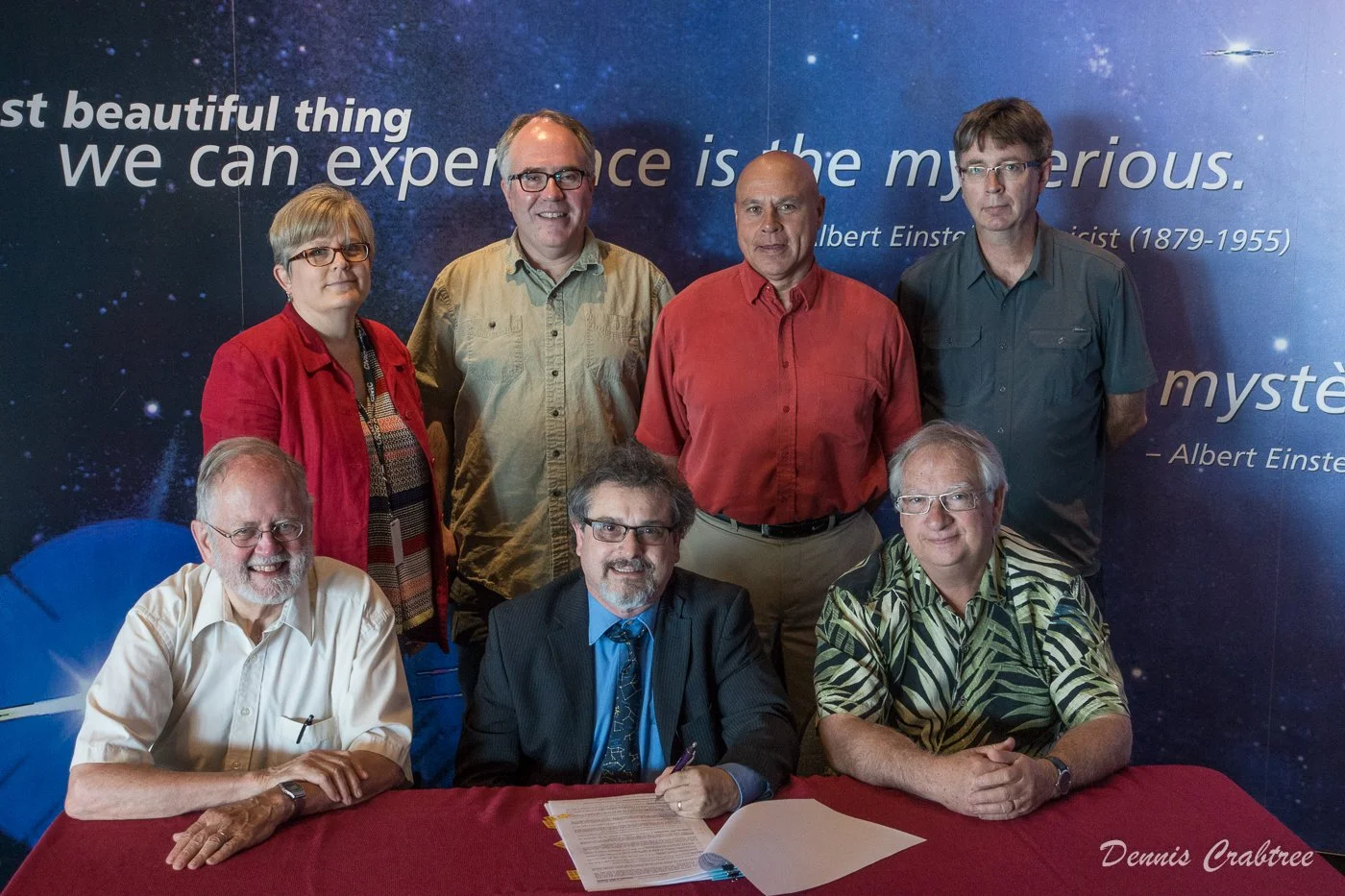
Signing of the License to Occupy granting the Friends occupancy of the Centre of the Universe and the Plaskett Dome for public outreach.
Then, join us in the evening for a special anniversary star party. Listen to a panel discussion with the founding members of the Friends, and learn about science outreach in your community. We’ll review our progress and the astronomical discoveries of the last 10 years!
All the usual things too, including live imaging from the Plaskett Telescope after dark, weather permitting.
Tickets will be available Monday at 5pm on this page 12 days prior to the event.
Please note that confirmation for tickets is sent via email only.
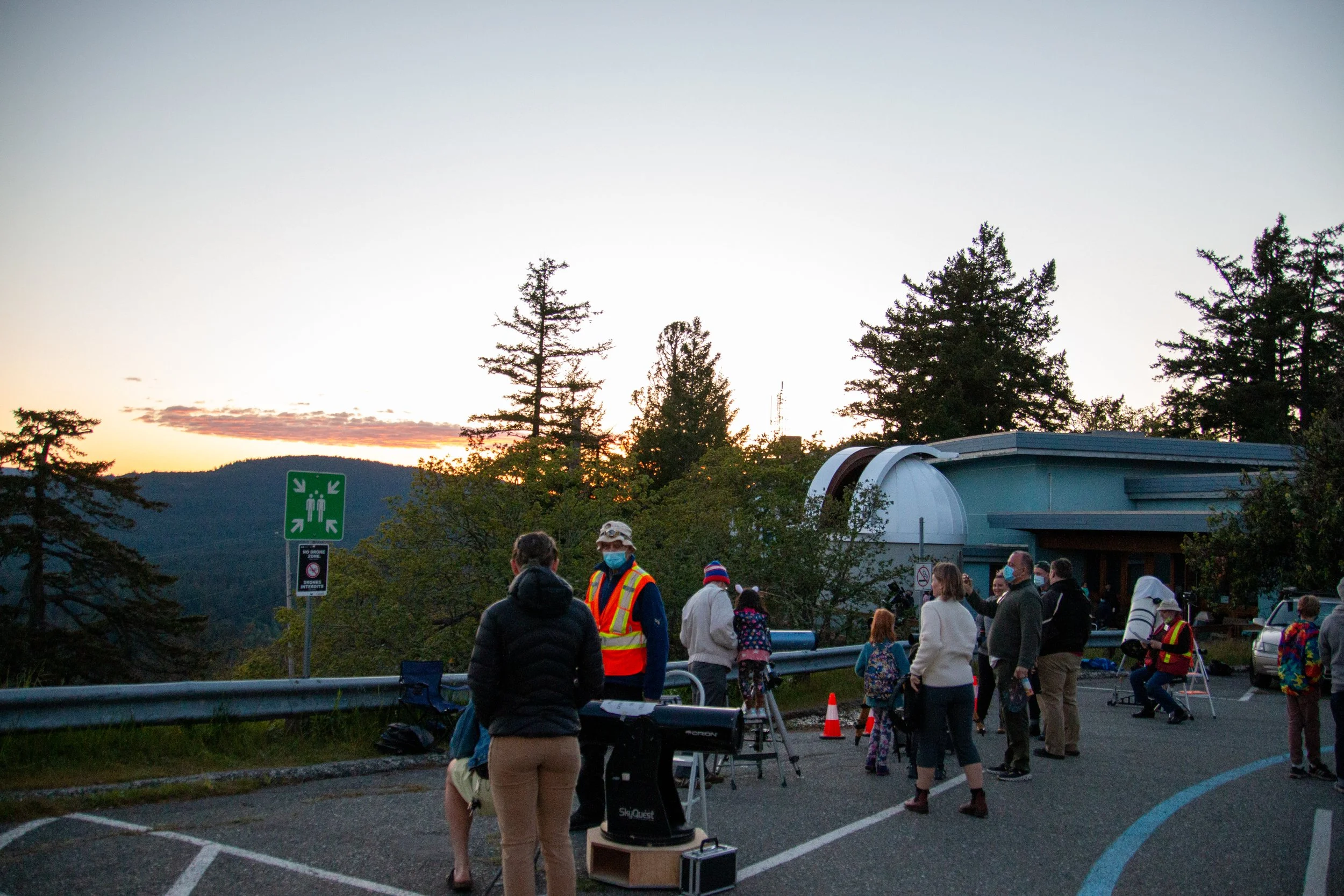
Telescope Clinic
Back by popular demand! Our third annual telescope clinic where we encourage you to bring in telescopes for a fix or a tune-up to enhance your summer (clear skies, hopefully) observing pleasure!
Led as always by David Lee.

Making the Most of Spilt Milk | Star Party
We live in the Milky Way galaxy, a swirling sea of old stars and young stars, bright stars and faint stars, and massive clouds of gas and dust. But where did our stars, gas, and dust come from, and how did they all arrange themselves into the soft glow of light we see splashed across the sky on a crystal clear night?

International Astronomy Day
International Astronomy Day organized by the Royal Astronomical Society of Canada.
Events at the Royal British Columbia Museum 10am-3pm, continuing at the Centre of the Universe at 7:30pm
Observing the Cold Universe with ALMA
with Gerald Schieven

What’s with all the dark?
Dark Matter and Dark Energy make up 95% of the universe and we still don't know what they are. New ideas are suggesting dark energy may not even exist, that it is a perceptual illusion. This presentation will examine how through history, astronomy has shown us that the way we see the universe is not always right.
Star Party
Star Party
PLEASE NOTE: Confirmation of tickets is sent via EMAIL not on the website, so please check your email for the confirmation via YepDesk. Any questions? Email us at info@centreoftheuniverse.org.
Timed Activities
Children's Program: 6:30pm to 7:00 pm Auditorium
Adult Short Dome Tour: 6:30 pm to 7:00 pm Plaskett Dome
Children's Dome Tour: 7:00 pm to 7:30 pm Plaskett Dome
Presentation in Black Hole Auditorium 7:00 pm
Presentation in Black Hole Auditorium 8:00 pm
Full Dome Tour: 8:00pm to 8:50 pm Plaskett Dome
Dome Tour / Astrophotography: 9:00 to 9:50 pm Plaskett Dome (Telescope open, weather permitting)
Ongoing Activities: (6:30 to 10:00 pm) The Hill closes at 10:00 pm
Amateur (RASC) Telescopes in the Parking Lot and on the Deck (weather permitting)
The 16" Telescope beside the CU (weather permitting)
RASC Welcome Table -(Lobby)
Children's Craft Table- (Lobby)
Gift Shop will be open
Cold Drinks, and treats available for purchase
New Feature: Space Jewelry!
.. as well as our ever-popular Celestial Buddies
Planetarium
Unhosted Films - Seating limited
Please Note
Masks are available at the main desk if desired. Masks are a personal choice for most indoor public spaces these days, and we respect our visitors' choices.
But ... people with any symptoms of illness should take measures to prevent spreading illness to others. Please stay home if you are sick, and in consideration for others, please release your tickets. Please email info@centreoftheuniverse.org with your name and quantity to release tickets.
Tickets will be available Monday February 10, 2025 at 5pm on this page.

Solstice | Star Party
Star Party
Timed Activities:
Children's Programming
Presentation: 6:30pm to 7:00 pm Black Hole Auditorium
Children's Craft (in lobby area): 7:00pm - 7:10pm
Children's Dome Tour: 7:15pm - 7:45pm
Children's Planetarium Show: 8:00pm- 8:15pm
General Programming:
Short Dome Tour: 6:30 pm to 7:00 pm Plaskett Dome
Guest Presentations 7:30 pm- 8:00: Solstice Stories
Guest Presentation 8:30pm - 9:00: Solstice Stories
Full Dome Tour: 8:00pm to 8:50 pm Plaskett Dome
Dome Tour / Astrophotography: 9:00 to 9:50 pm Plaskett Dome (Telescope open, weather permitting)

October 19th | Exploring the Europa Clipper Mission
NASA’s Europa Clipper mission is set to launch on October 10th, 2024. This ground-breaking probe will travel almost 700 million kilometres to Jupiter’s mysterious moon Europa – a world covered entirely in a thick layer of ice that may have a vast saltwater ocean hidden underneath.
September 7 | The Birth of OUR planet
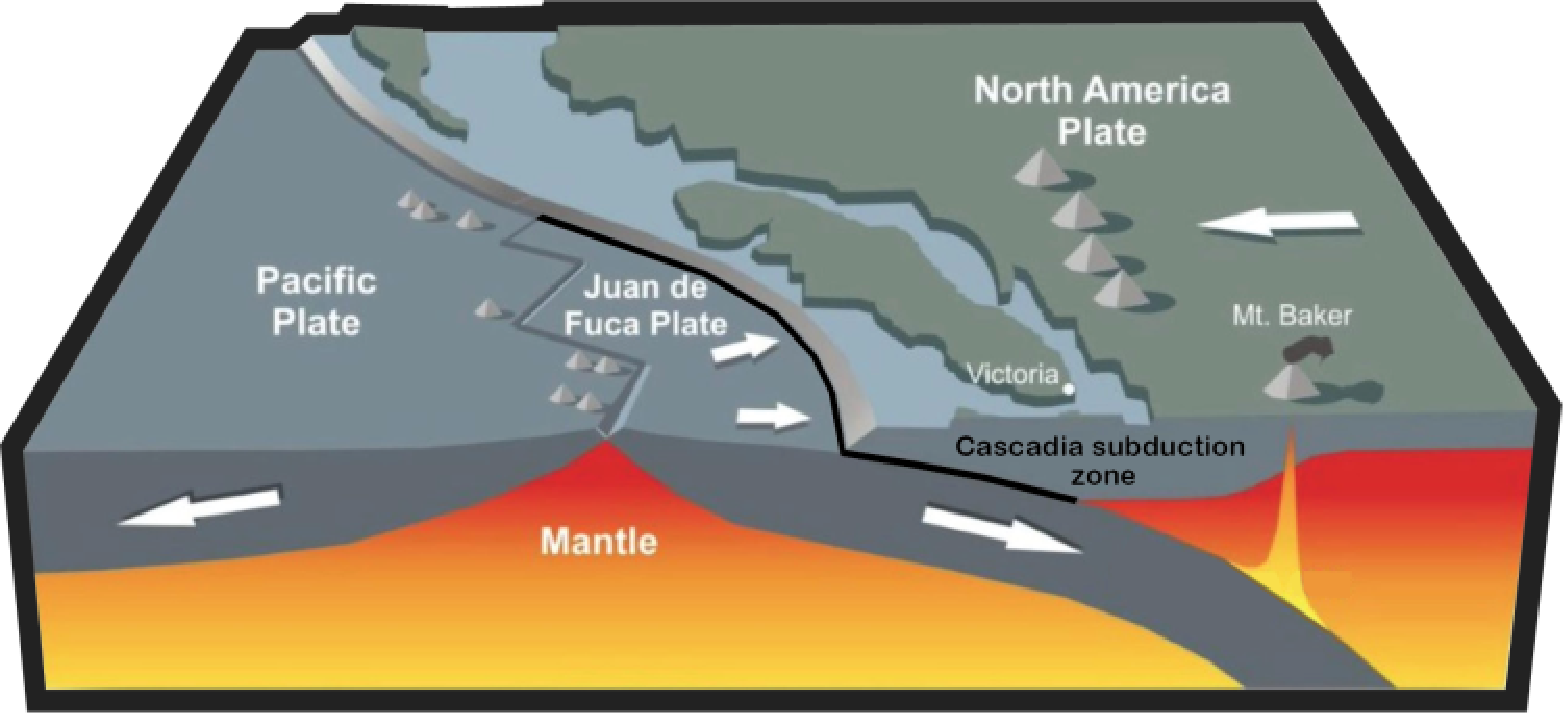
This presentation explores the fascinating journey of our planet from its cosmic origins to its complex inner structure.

August 31 | Star Party
Space Rocks!
How the Building Blocks of the Solar System Reveal its History
with Dr Laura Buchanan
Summary
Arrokoth, TNO photographed by the New Horizons spacecraft after it visited Pluto
Understanding the origin of our solar system involves studying its early formation and evolution. Unfortunately, we cannot look back through time to witness the actual formation. Instead, we observe its modern-day features to infer the conditions of its birth. For example, the number of craters on the moon reveals the history of impacts, while the compositions of asteroids inform us about their thermal histories. In the outer solar system, the orbits and colours of icy rocks, specifically Trans-Neptunian Objects (TNOs), help trace the history and migration patterns of the giant planets.
In this talk, I will delve into the processes that shaped our solar system and explore the formation and dynamics of planets. We'll discuss the significance of studying small bodies like asteroids, comets, and dwarf planets, and how data from missions like Rosetta, and New Horizons has enriched our understanding. By combining observational data with dynamical models, we can reconstruct the early layout of the Kuiper Belt and understand the conditions that shaped the giant planets. This approach offers a glimpse into a time we cannot directly observe, deepening our understanding of our cosmic origins and the dynamic processes that have shaped our solar system.
bio
Laura Buchanan is a Postdoctoral Researcher at the University of Victoria. She studies small bodies in the outer solar system known as Trans-Neptunian Objects.
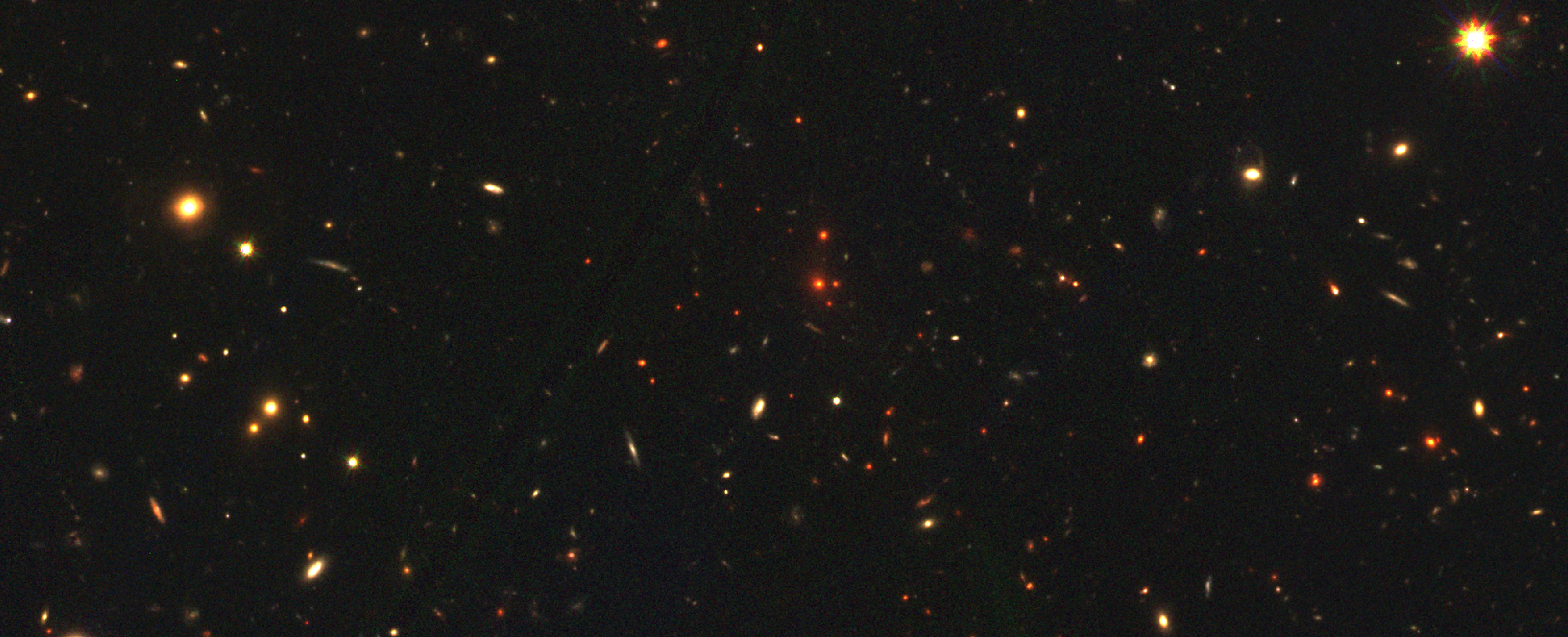
August 24 | Galaxy Clusters and Galaxy Formation in the Early Universe
The evolution of early universe galaxies is influenced by the environment they live in. The shape, distribution of star types, and interaction history of these galaxies are rich sources of information about the structure of the early universe. In this presentation I will talk about the history of these galaxies, why they have such unique features, and how we can use our observations to infer this information.
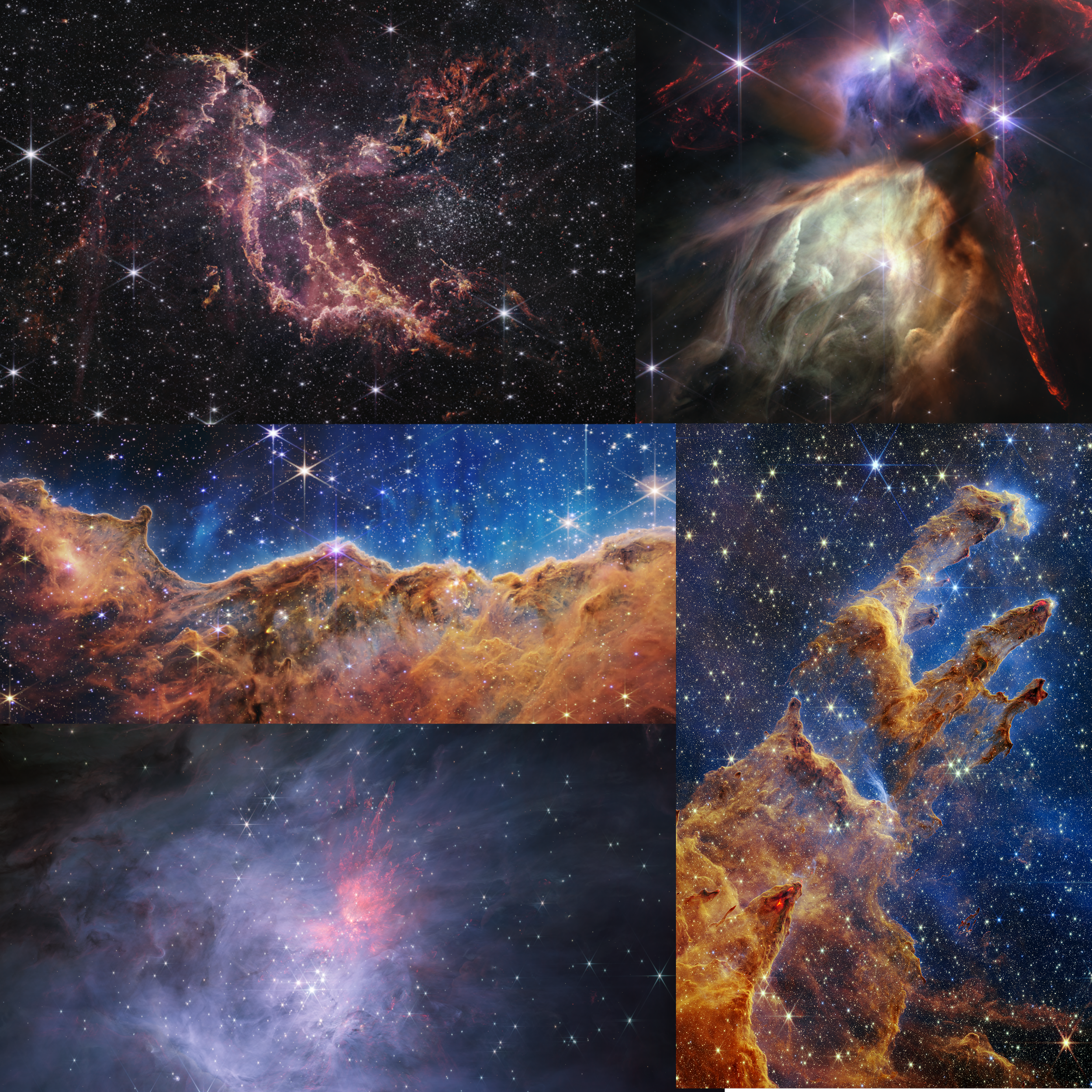
August 17 | Beyond the Veil - Breanna Crompvoets
The study of star formation relies upon precise and thorough observations, as does much of astronomy. Breanna will be talking about how, with the recent advancements that have culminated in the James Webb Space Telescope, our understanding of how stars form is changing. When we use Webb observations, we find many more young stars than ever before, completely upending our current understandings of how stars form.
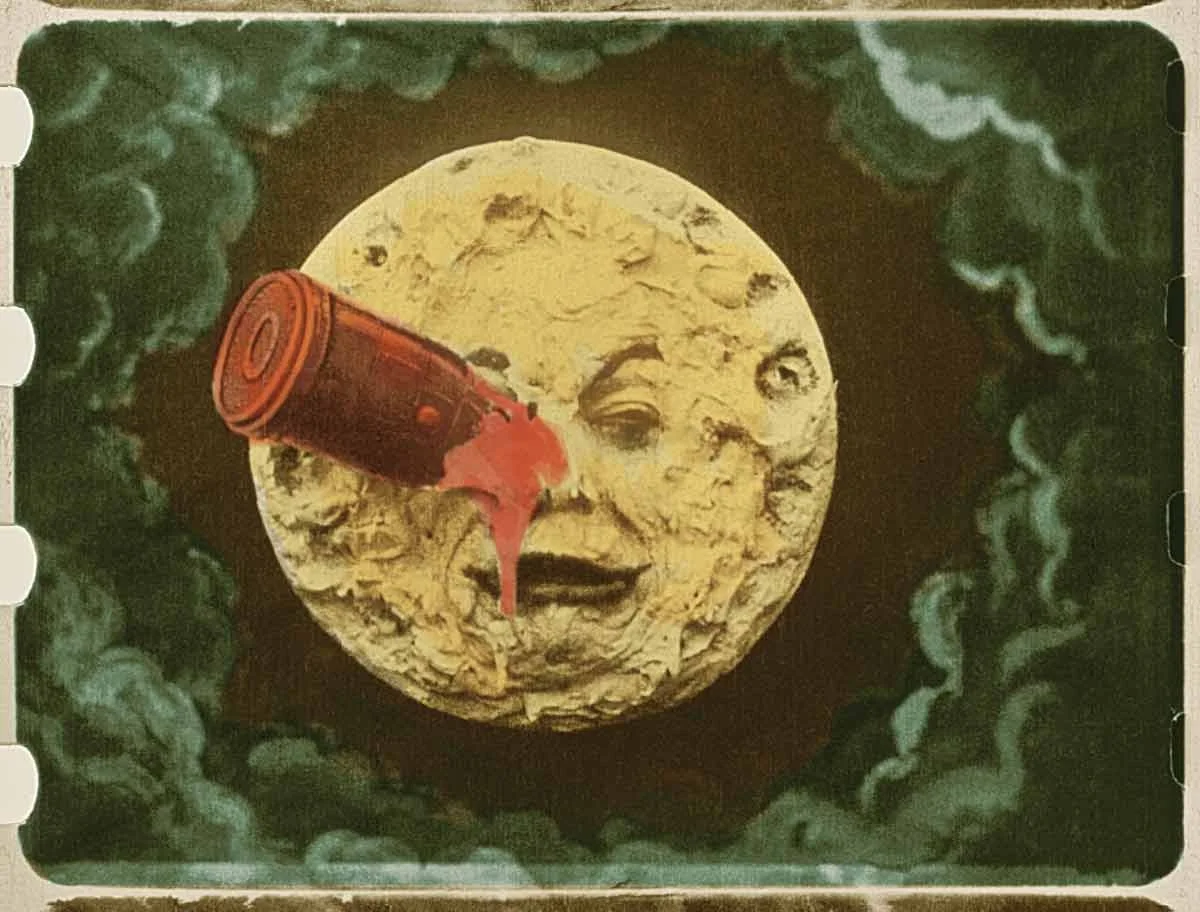
August 10 | Space Failures - with Dr Erica Franzmann
Launching things into space is hard, and even if you manage to launch without issue space itself is incredibly dangerous. Many factors contribute to an incredibly hostile environment for spacecraft (and astronauts!) to endure. Here are some examples
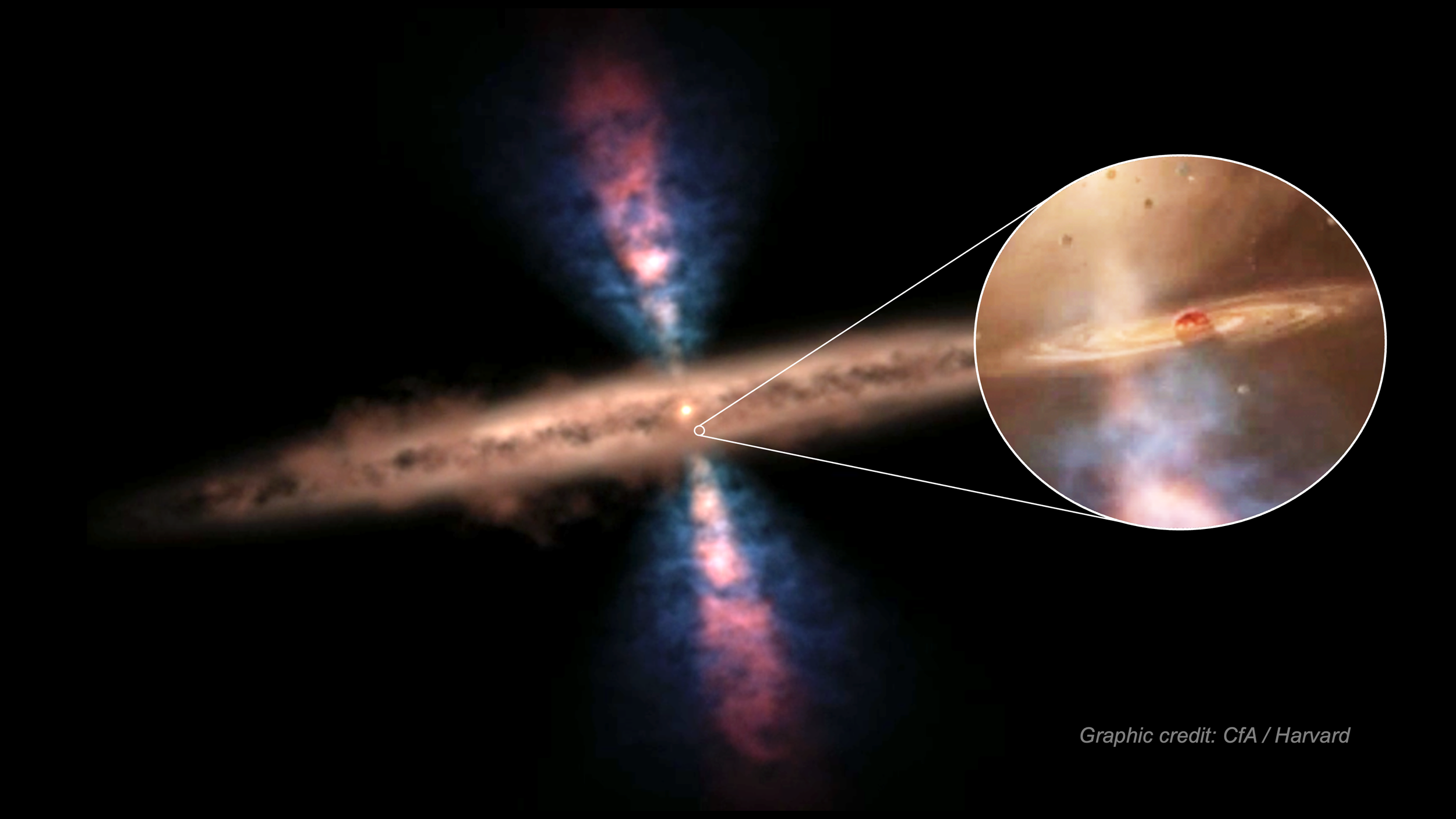
August 3 | The Wombs of Pregnant Stars
the wombs of pregnant stars
Jess Speedie, U. Victoria
summary
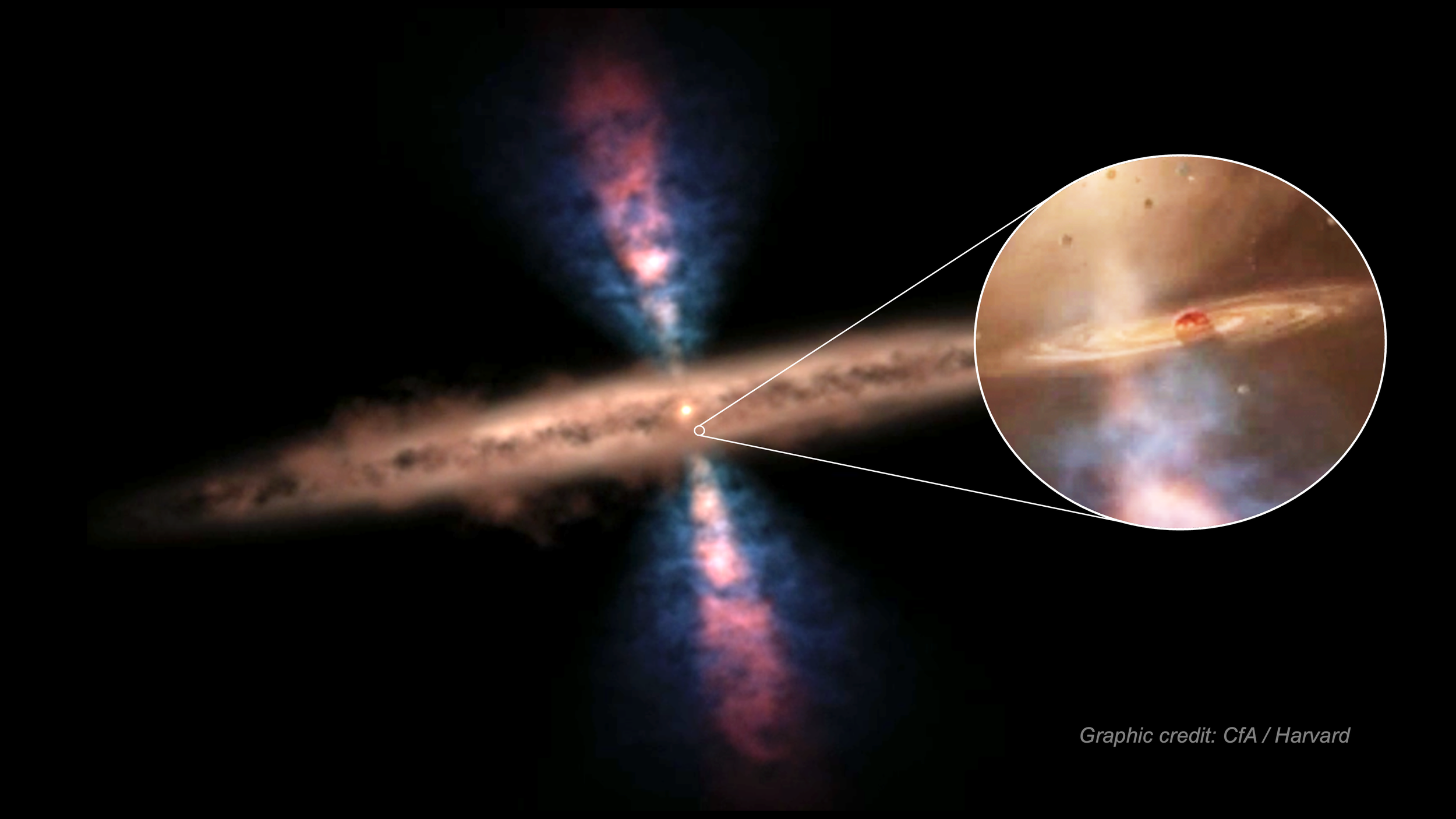
The womb of a pregnant star is a vast rotating disk of cosmic gas and dust, held together by the gravity of the host star suspended at the very centre. Somewhere in the disk, which can be a million times larger than the star itself, sibling planets are born.
At this Star Party, we’ll explore our modern understanding of “protoplanetary disks”, or stellar wombs: what they look like, what they’re made of, and how we can find the baby planets forming within them. We’ll delve into how today’s world-class radio telescopes can be used like astronomical ultrasound machines, creating detailed mappings of the spatial and kinematic structure of these cosmic nurseries. We’ll also showcase our current gallery of “baby photos” of planets, offering a glimpse into the universe’s youngest new worlds.
about the speaker

Jess Speedie
Jess Speedie is a Canadian astronomer and science communicator known for her research on planet formation and protoplanetary disks. Her observations and simulations shed light on the conditions that lead to the birth of new planets and how they can be detected deep within their natal environments. She is currently a PhD candidate at the University of Victoria and an ALMA Ambassador for the National Radio Astronomy Observatory. Jess received her BSc from McMaster University in Integrated Science and Physics in 2020. During her undergraduate studies, she held research assistantships at the Canadian Institute for Theoretical Astrophysics in Toronto and the Institute for Research on Exoplanets in Montréal.
July 27 | Lucy in the Sky! with Dr Joel Parker, SWRI
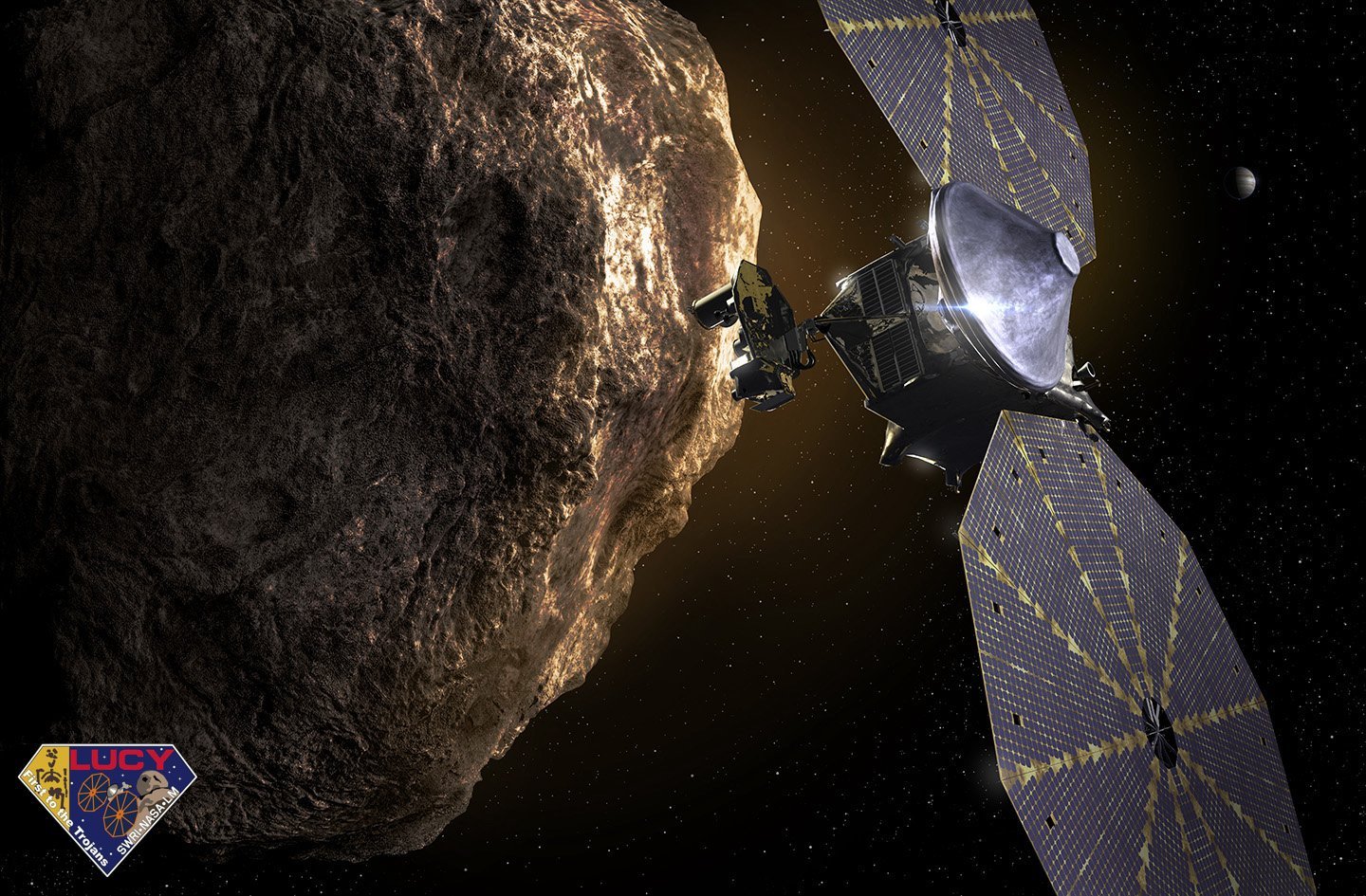
The Lucy mission launched on October 16, 2021 to begin a 12-year journey to explore the Jupiter Trojans, the last major reservoir of Solar System small bodies not yet explored by spacecraft. The Trojans are a key dynamical class that likely have remained stable in their distant orbits for billions of years, containing a sample of bodies from different parts of the Solar System captured after migration of the outer planets.